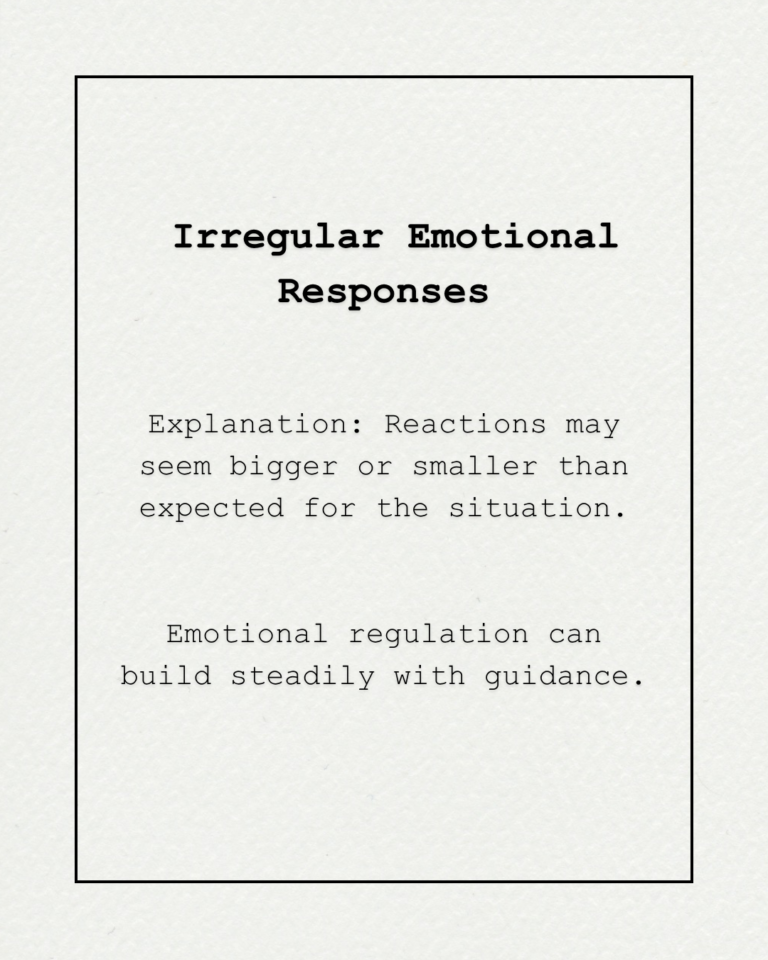
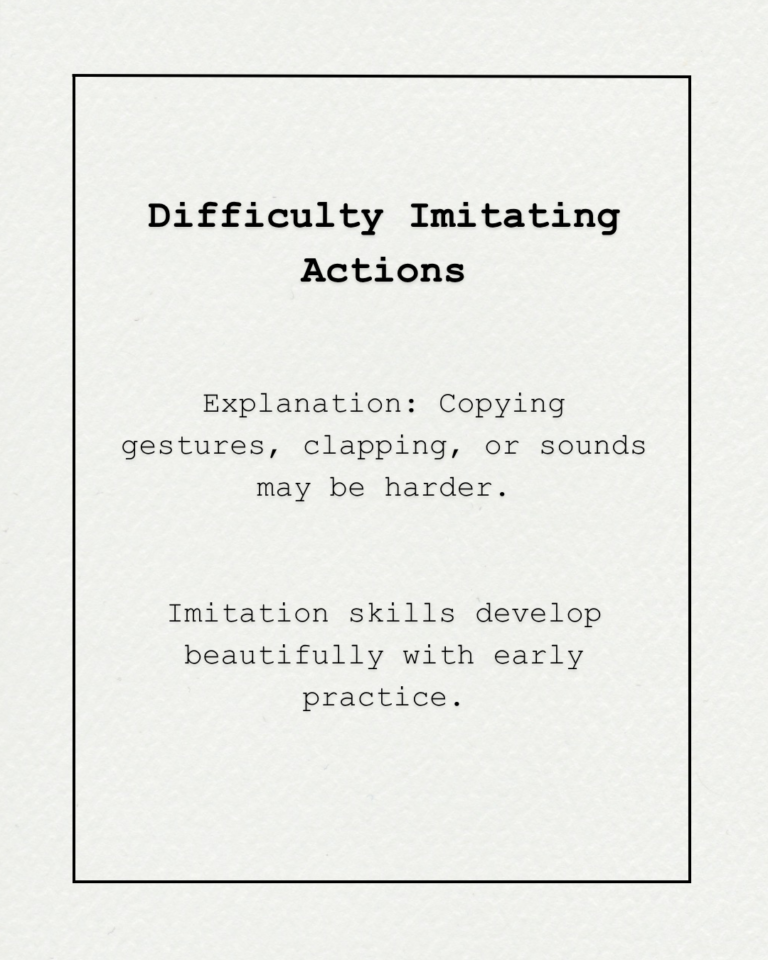
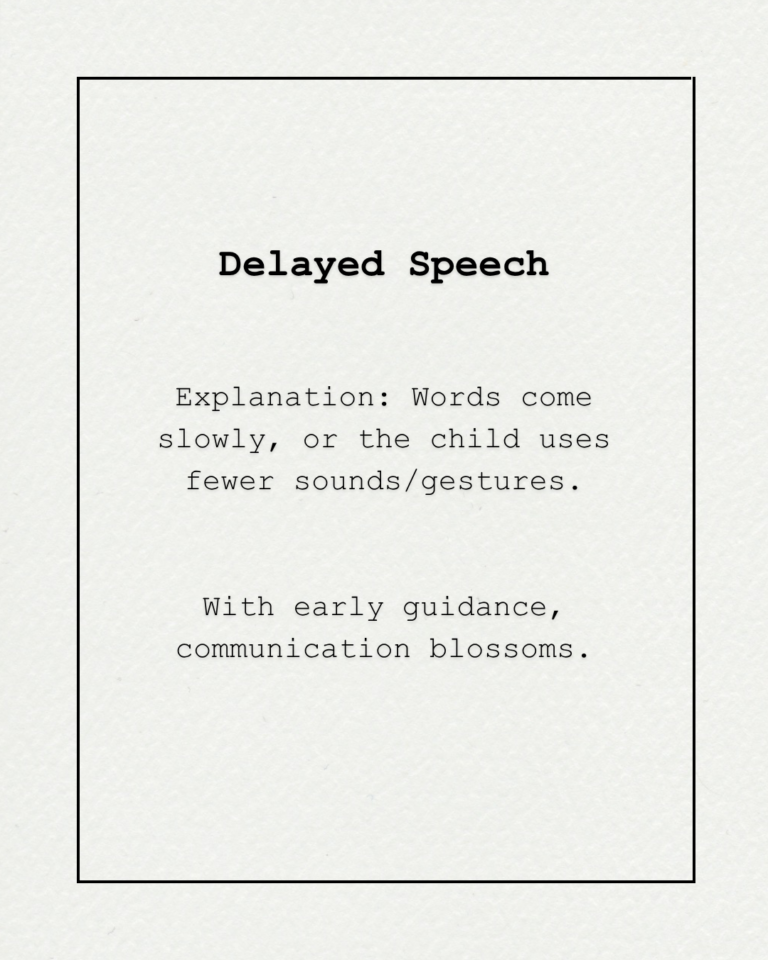
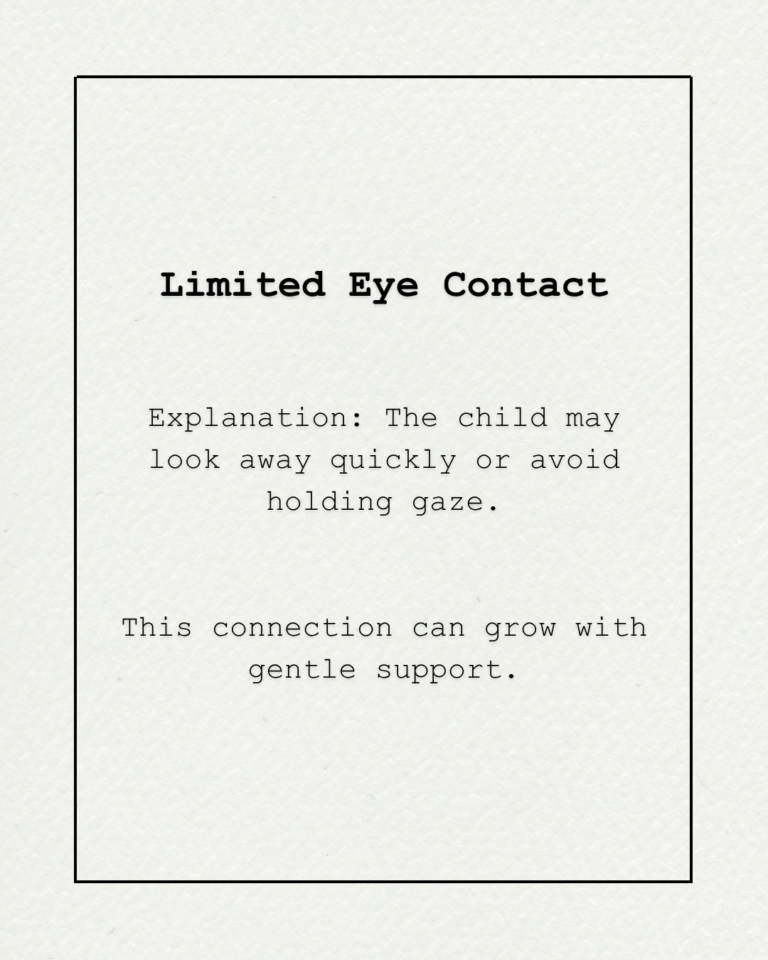
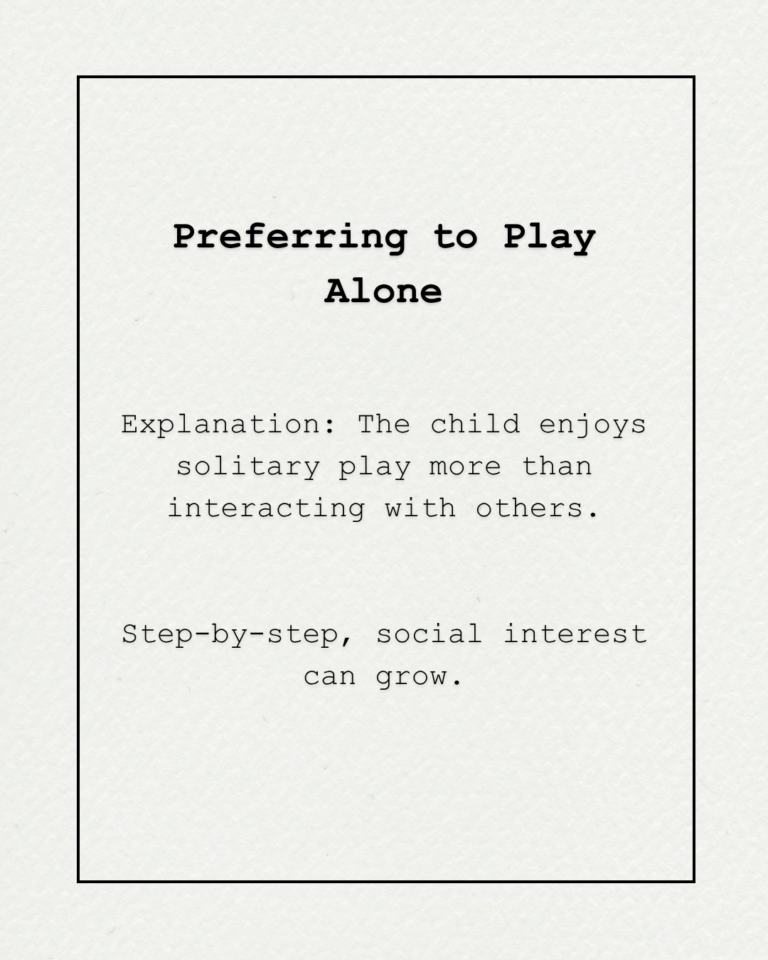
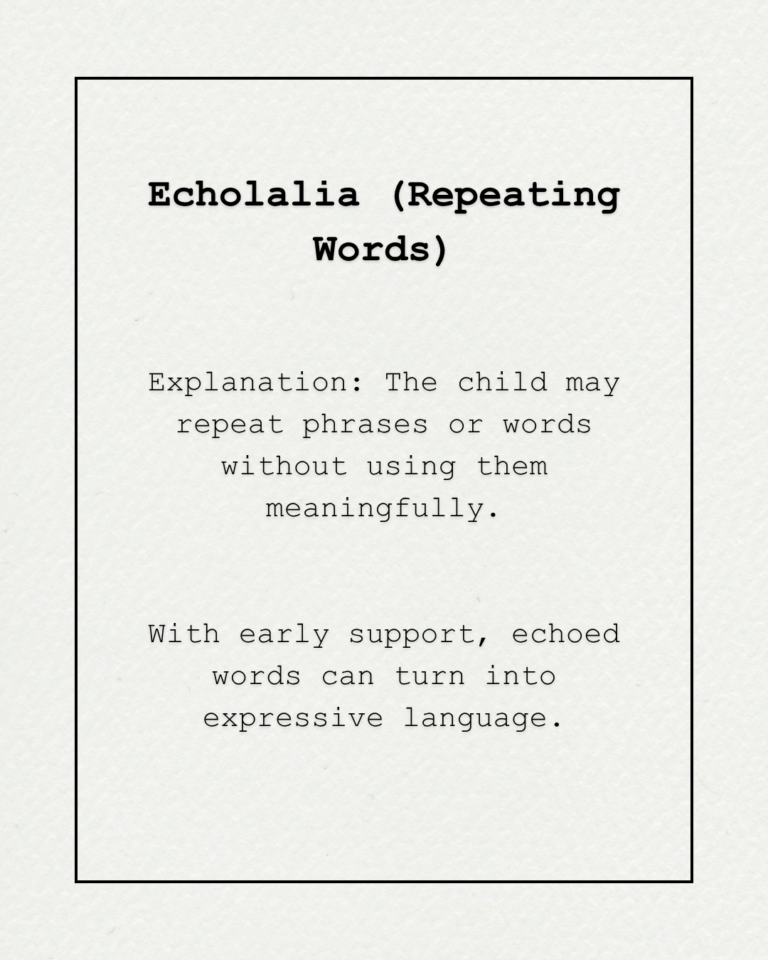
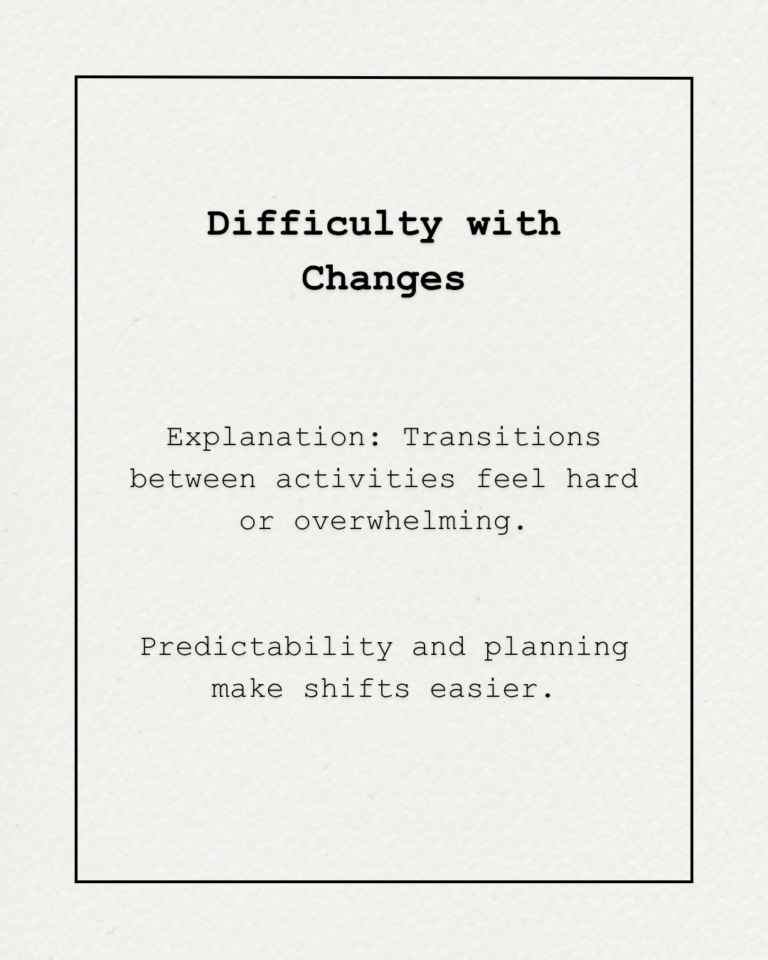
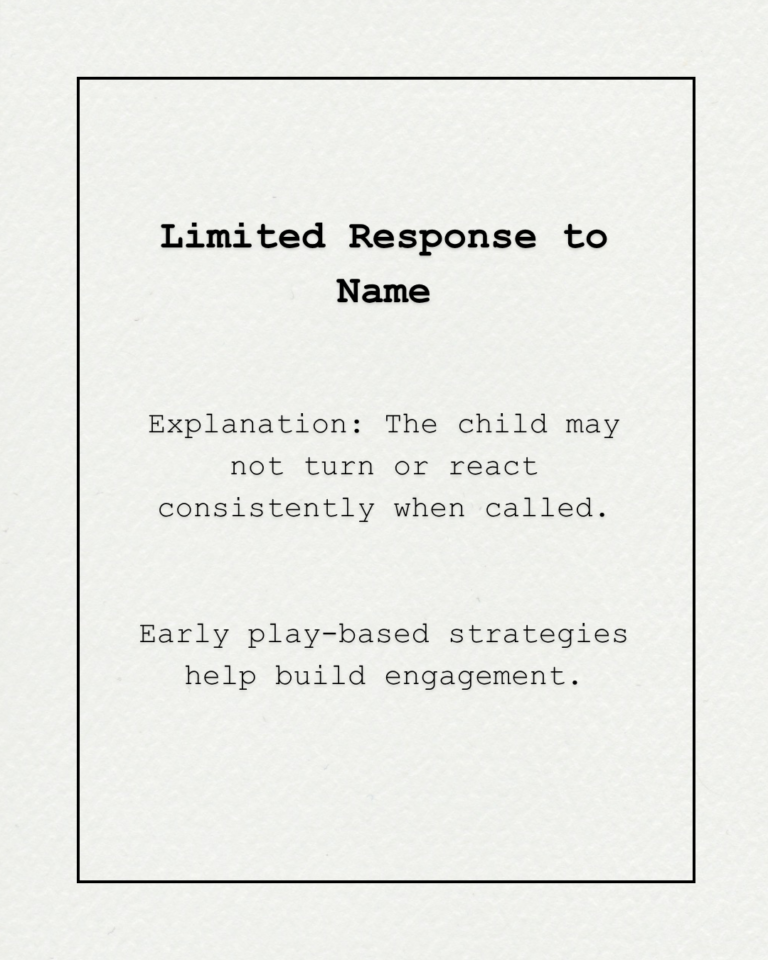
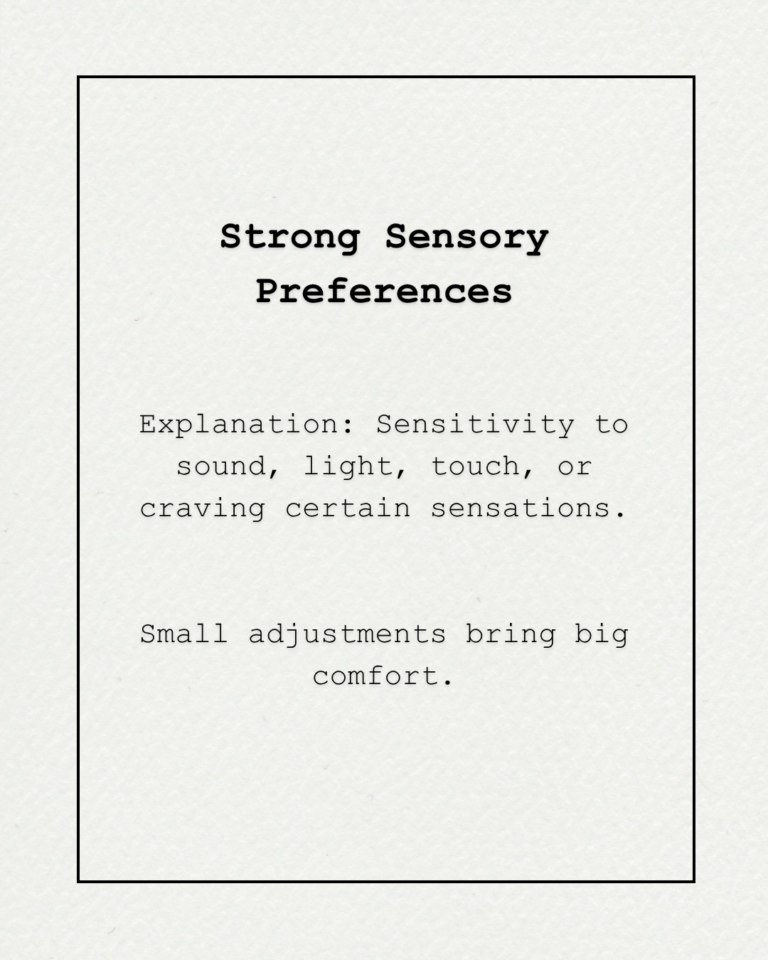
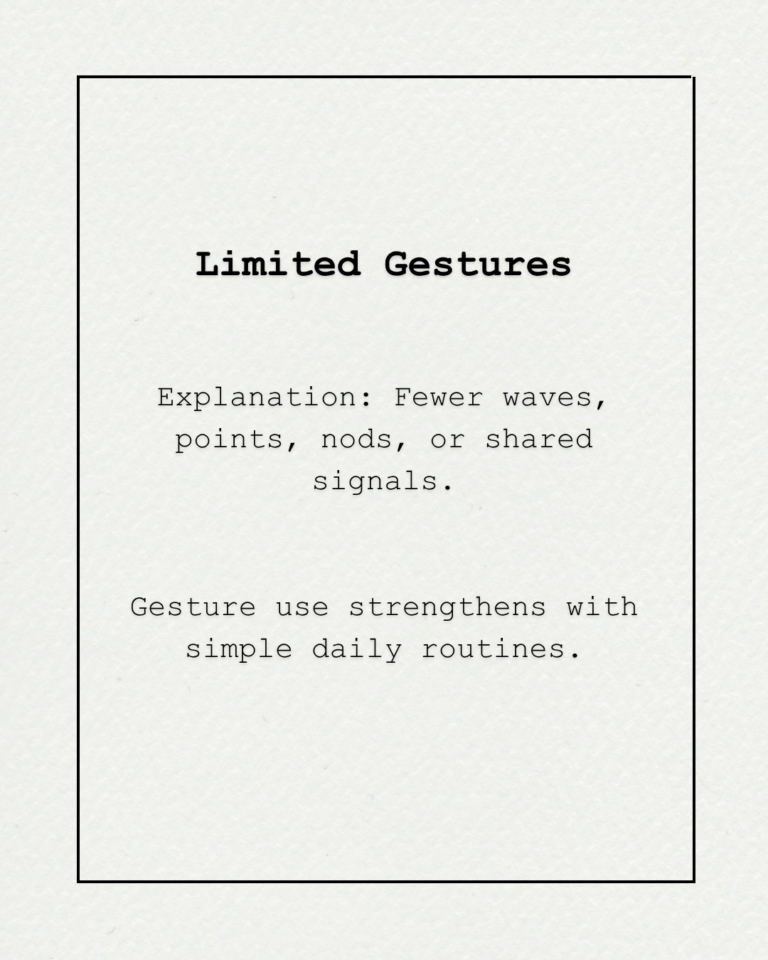
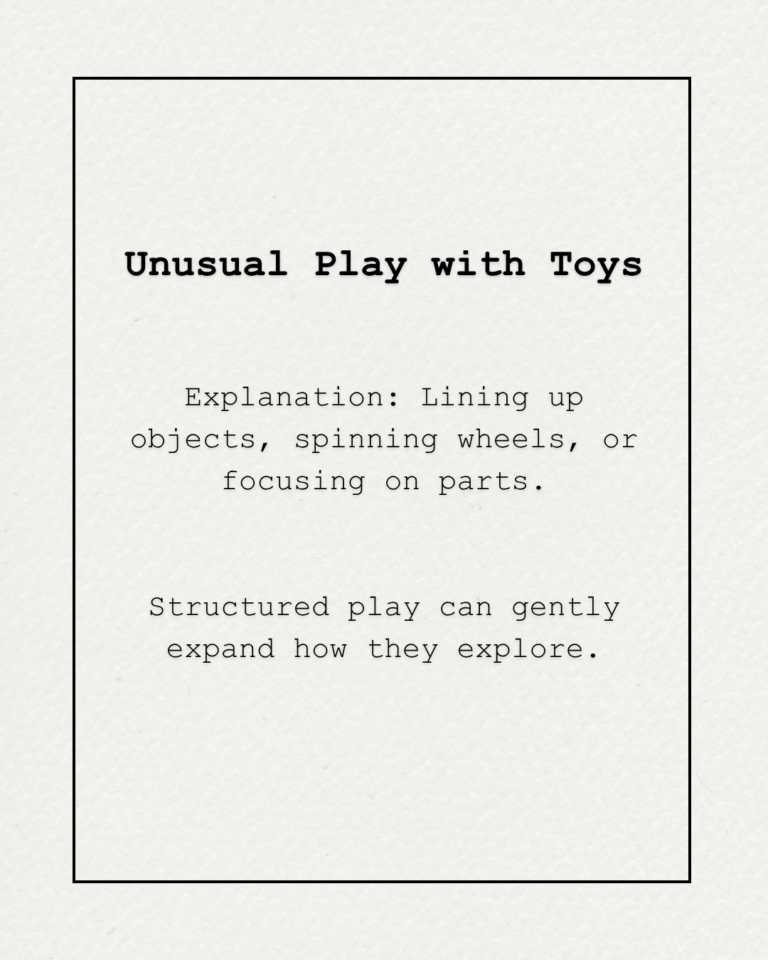
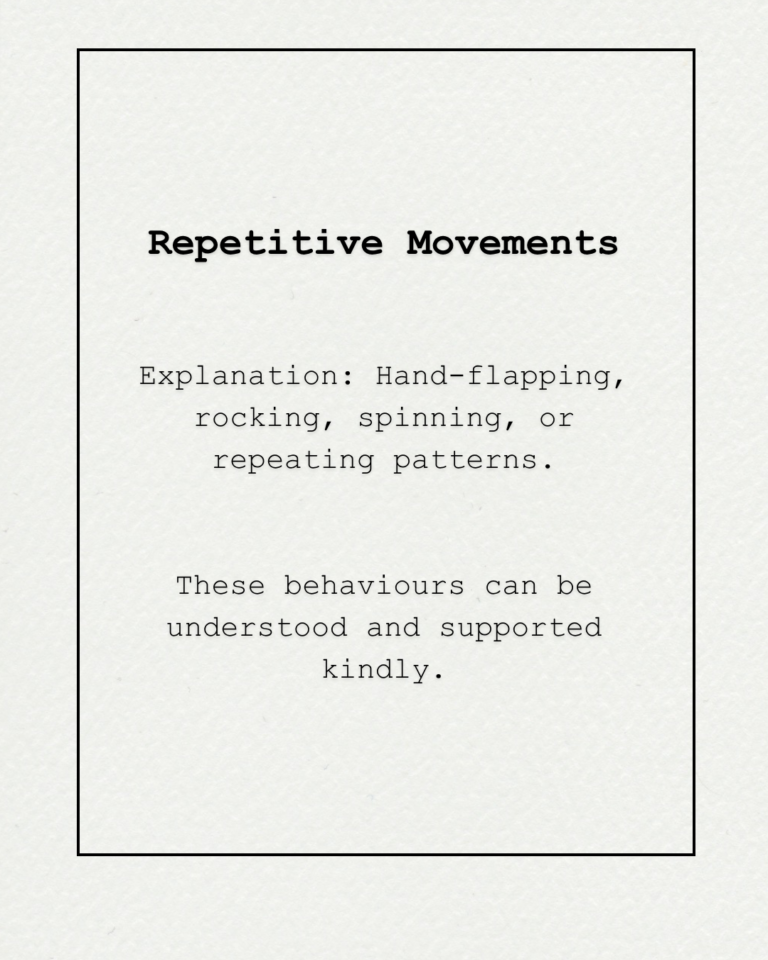
The signs and skills described above develop at different ages for different children, and it is completely normal for every child to follow their own pace.
No single sign—or even a few signs—can confirm autism or any developmental condition. These points are meant to support observation, not to label, diagnose, or create fear.
If you feel unsure, concerned, or notice consistent patterns over time, it is best to consult a licensed clinical psychologist, pediatrician, developmental specialist, or speech therapist who can provide a thorough assessment.
This information is for educational purposes only.
It does not replace professional evaluation, diagnosis, or treatment.
For emergencies or acute concerns, please contact your local healthcare provider immediately.
When Should You Seek Support?
Sometimes, the hardest part is not the signs we notice—it’s the uncertainty that follows. If you’re standing at that crossroads, wondering whether to wait or to act, know this: seeking support is never a sign of panic; it’s a sign of care. Early guidance doesn’t lock your child into a label—it simply opens a door to clarity, comfort, and smoother days ahead. Many parents find that even one conversation brings relief, direction, and a sense of steady ground. You don’t have to figure this journey out alone. When things feel uncertain, reaching out is the kindest step you can take for your child—and for yourself. And if you feel ready, I’m here to help you take that next gentle step.
Start by noticing small changes in communication, play, routines, or behaviour over a few weeks.
You can download my free Observation Guide to make this process clearer and less overwhelming.
STEP 2: Screening + Professional Assessment
This is your first real clarity point.
A screening helps you understand patterns, and a professional assessment helps interpret them accurately.
A Clinical Psychologist is usually your first stop—after the assessment, you may be referred to a Speech Therapist, Occupational Therapist, or Developmental Pediatrician depending on what your child needs.
If you’re unsure where to begin, you can book a consultation with me for guidance through the complete process.
STEP 3: Parent Coaching & Psychoeducation
Right after the assessment, parents often need direction more than anything else.
This step helps you understand your child’s profile, learning style, and how you can support them at home.
Simple strategies, emotional grounding, and routine-building begin here—your confidence sets the foundation for everything that follows.
STEP 4: Early Support Plan
Based on the assessment + coaching, you receive a plan tailored to your child’s needs—communication goals, sensory guidance, behavioural supports, and structured daily routines.
Think of this as a gentle roadmap, not a rigid rulebook.
STEP 5: Skill-Building Sessions
This is where progress unfolds slowly and steadily. Depending on your child’s needs, this may include:
Speech & language sessions
Occupational therapy (sensory + motor skills)
Play-based emotional work
Social & behavioural skill sessions
Every small step adds up, and consistency is where the magic happens.
STEP 6: Review, Rethink, Repeat
Child development isn’t linear—it evolves, surprises, and grows.
Every few weeks, we revisit the plan, track progress, fine-tune strategies, and begin the cycle again.
This step reminds you that this journey isn’t a one-time event—it’s an ongoing partnership in nurturing your child.
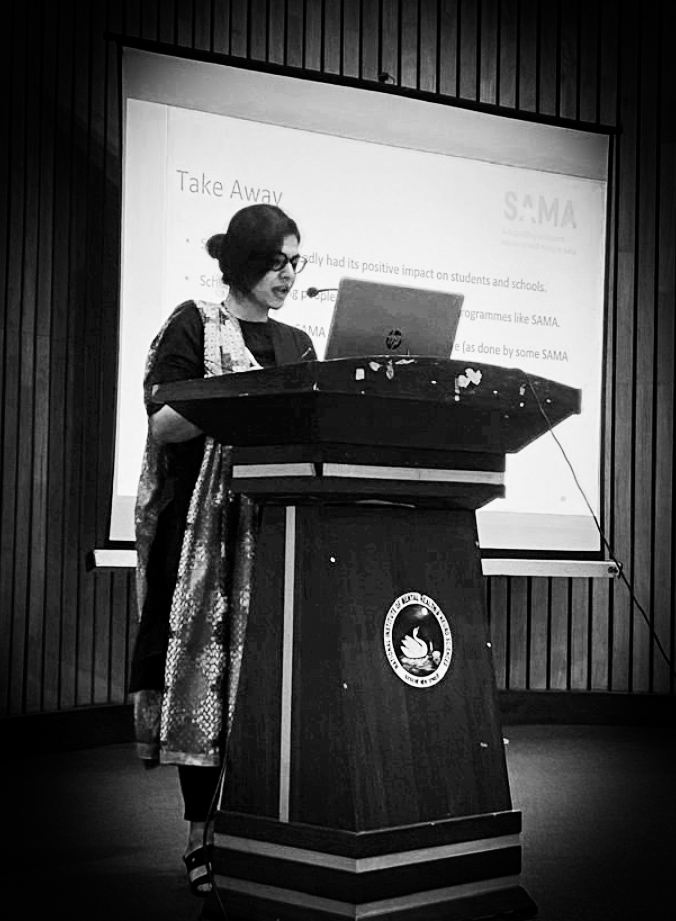
I’m Vaishnavi Dang, a Clinical Psychologist certified by the Rehabilitation Council of India (RCI). Over the years, I’ve had the privilege of working with leading institutions such as NIMHANS, Rainbow Children’s Hospital, and UNICEF-supported programs. My clinical practice is grounded in evidence-based approaches, and I specialize in Cognitive Behaviour Therapy (CBT), trauma-informed therapy, play therapy, and Applied Behaviour Analysis (ABA) for children with Autism. I offer therapy for both children and adults, creating a space that is supportive, respectful, and empowering.
My work is driven by the belief that healing is possible when we feel safe, understood, and guided with care. Whether you’re navigating anxiety, parenting challenges, trauma, or emotional overwhelm, I strive to meet you where you are and help you move forward with clarity and compassion. Therapy with me is not just about solving problems — it’s about nurturing your inner strengths and creating lasting emotional well-being.
What people say?
I feel fortunate to meet Dr Vaishnavi. We are taking therapies for my son and see great improvement in his overall development. She is an excellent therapist & empathetic who understands the parents concerns as well and guide them to work with the child. Thank you very much ma'am for your guidance and support in our child's journey.
Swathi Manne
She is very kind and understanding doctor.I had a great experience with her.
Saraniya Uday
Blogs to understand better
Your Shoes Tell a Story—So Does Your Mental Health.